Every year, someone declares that dropshipping is “dead.” And every year, new stores quietly prove them wrong. In 2026, the conversation has shifted from “should I start dropshipping?” to a more useful question: what does it actually take to succeed with it now?
The short answer is that dropshipping is still a real opportunity — but the playbook that worked in 2015, or even in 2021, no longer works the same way. Customers are more selective, algorithms are smarter, and the stores that win are the ones that treat their business like a real brand rather than a quick experiment.
What Has Changed in Dropshipping Over the Last Few Years
A few years ago, it was common to launch a store overnight, import a handful of trending products, and start running ads the same week. That approach has become far less effective. Advertising costs have risen, customers have grown used to fast shipping expectations set by major marketplaces, and shoppers are quicker than ever to spot a store that feels generic or untrustworthy.
At the same time, the tools available to sellers have improved dramatically. Better supplier networks, more reliable fulfillment partners, AI-assisted content creation, and more sophisticated analytics all make it possible to run a far more professional operation than before — if you use them intentionally.
Is Dropshipping Still Profitable in 2026?
Yes, but profitability now depends much more on positioning than on simply finding a “hot” product. Stores that succeed today usually share a few traits: they focus on a specific niche instead of trying to sell everything, they invest in real product photography and clear descriptions, and they treat customer service as a core part of the business rather than an afterthought.
Margins can still be healthy, especially when a store builds repeat customers through email marketing, loyalty incentives, and a genuinely useful product catalog. The difference is that profitability is earned through consistency, not luck.
The Biggest Challenges: Competition, Delivery Times, Trust, and Advertising Costs
Competition is the most obvious challenge. When a product becomes popular, dozens of stores can list it within days. Delivery times remain a sensitive topic, since customers comparing prices online also compare shipping speed. Trust is arguably the biggest hurdle of all: a shopper who has never heard of your store needs a reason to believe their order will actually arrive as described.
Rising advertising costs mean that stores can no longer rely purely on paid traffic. Search engine visibility, content marketing, and word of mouth have become essential complements to any advertising budget.
What Successful Dropshipping Stores Do Differently
The stores that consistently perform well share a pattern. They pick a niche they can speak to with authority, whether that’s home organization, pet comfort, or wellness. They write product descriptions that explain real benefits instead of copying manufacturer text. They respond quickly to customer questions, and they are transparent about shipping timelines instead of hiding them.
Most importantly, they think in terms of months and years, not days. A single viral ad might bring a spike in traffic, but long-term profitability comes from repeat visitors who trust the brand.
The Role of Branding and Customer Experience
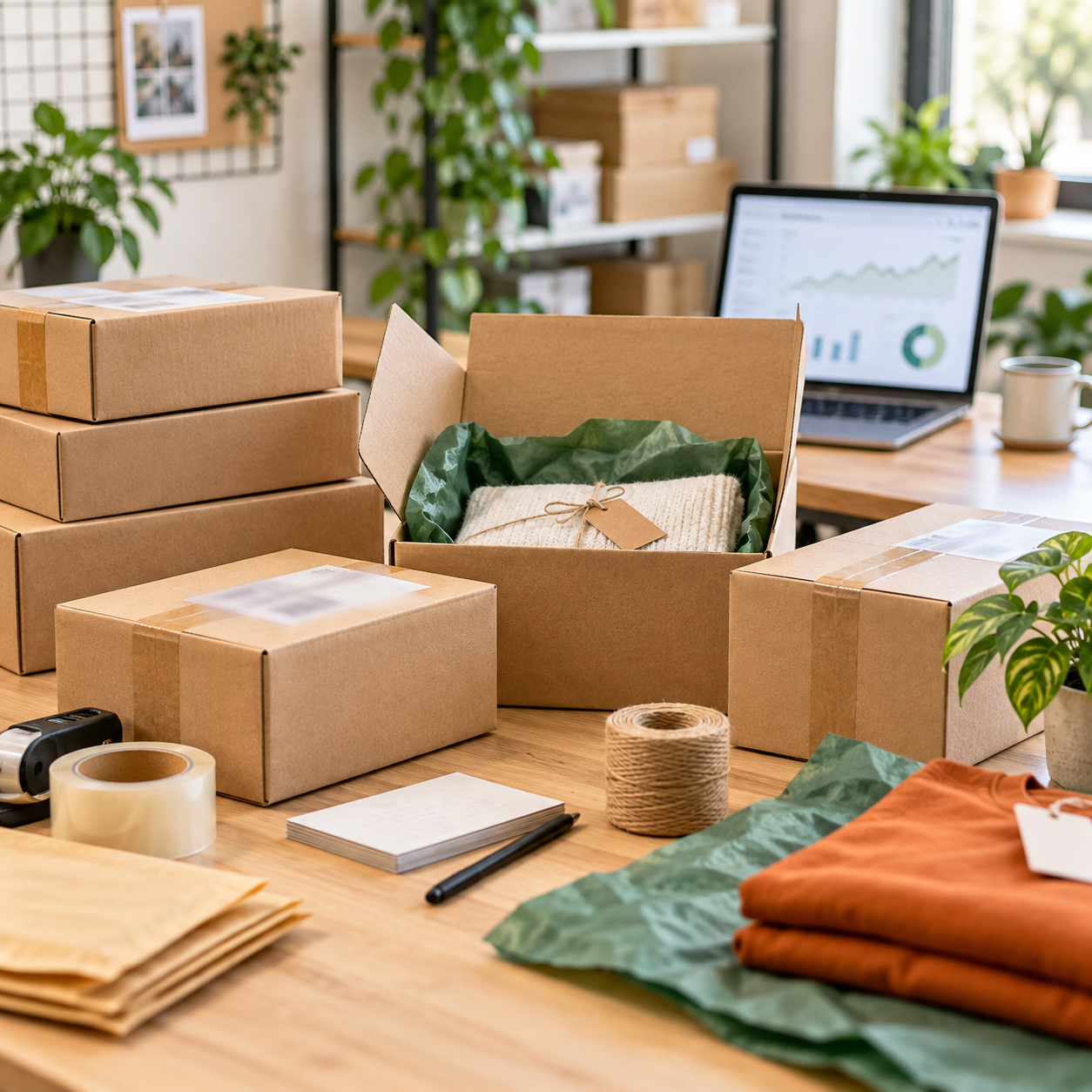
Branding is no longer optional. A store with a clear name, a consistent visual identity, and a simple, professional website builds instant credibility. Customer experience extends far beyond the checkout button: it includes how quickly questions are answered, how clearly policies are explained, and how the unboxing experience feels once the product finally arrives.
Small details make a large difference. A short thank-you message after checkout, a clear tracking page, and a simple return policy all reduce the anxiety that often stops first-time buyers from completing a purchase.
Best Product Categories to Consider in 2026
Categories built around everyday convenience continue to perform well: home organization, pet comfort products, kitchen storage, and practical wellness items. These categories share a common thread — they solve a recognizable, everyday problem, which makes them easy to market with simple, honest product photography rather than exaggerated claims.
Final Thoughts: Dropshipping Is Not Dead, But the Strategy Has Changed
Dropshipping in 2026 rewards patience, clarity, and genuine customer focus. It is no longer a shortcut to fast money, but it remains an accessible way to start a real online business with limited upfront investment. Stores that treat it as a long-term brand-building exercise, rather than a quick flip, are the ones still growing today.
Frequently Asked Questions
Is dropshipping still profitable in 2026?
Yes, for stores that focus on a clear niche, invest in trust-building, and treat the business as a long-term brand rather than a short-term experiment.
What is the biggest challenge for new dropshipping stores today?
Building customer trust quickly enough to convert first-time visitors, especially in a competitive advertising environment.
Do I need to hold inventory to succeed?
Not necessarily. Many successful stores start with dropshipping to validate demand before considering local stock for their best-selling products.
Discover practical products designed to make everyday life easier — explore our latest collections and see what a modern, customer-focused store looks like in action.